Algorithmic tools and workflows that carry design intent into drawings, analysis and manufacture.
Architecture is not short of tools. It is short of frameworks that let those tools work together. We write the frameworks: scripts, plugins and pipelines that take a design from its first geometry to the drawings, analysis and machine instructions it needs, and regenerate all of it when the design changes.
The work runs across Rhino and Grasshopper, C#, Python and the Revit API, with structural and environmental analysis built in rather than bolted on.
Archiologics, 2025, for the facade manufacturer Butech, Porcelanosa Grupo
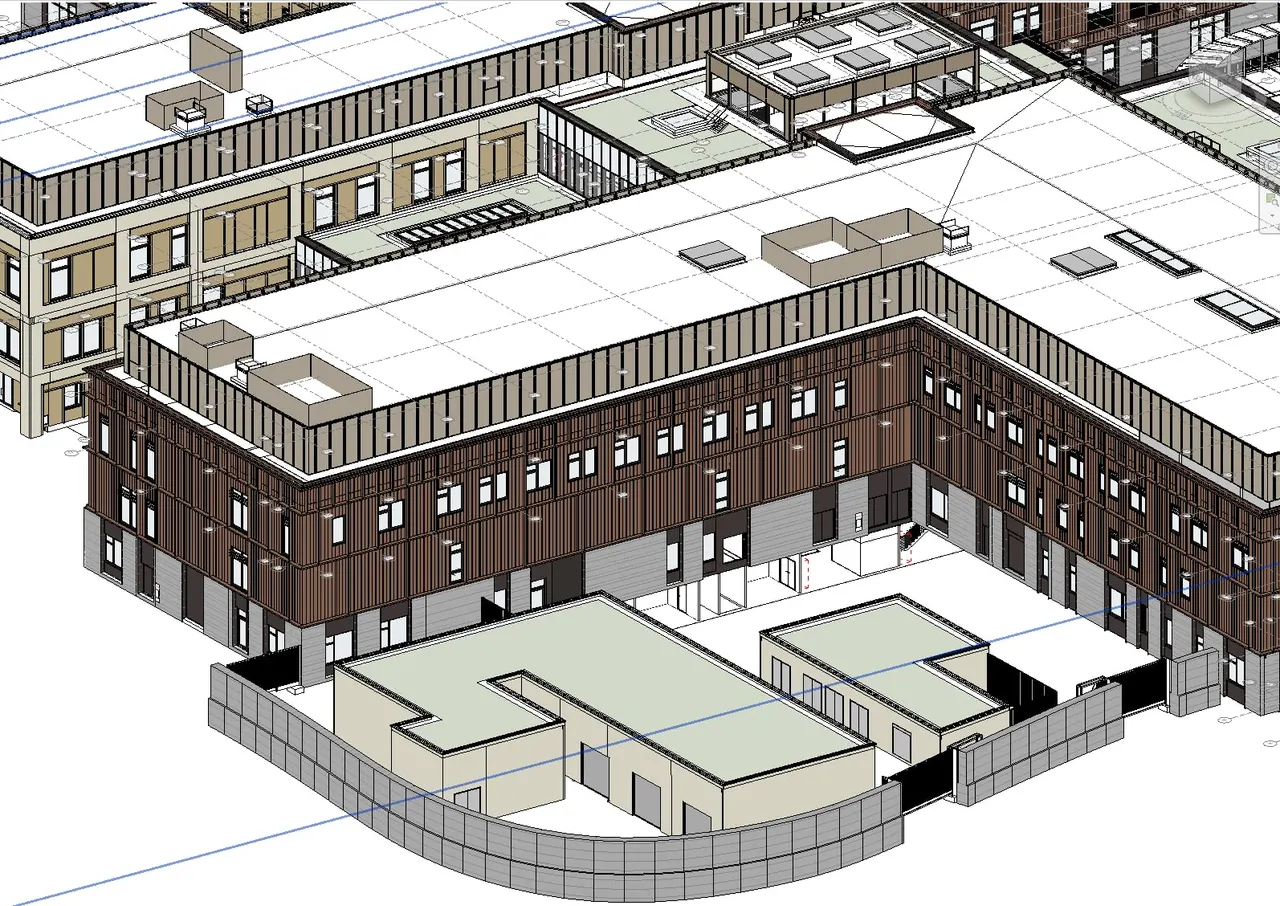
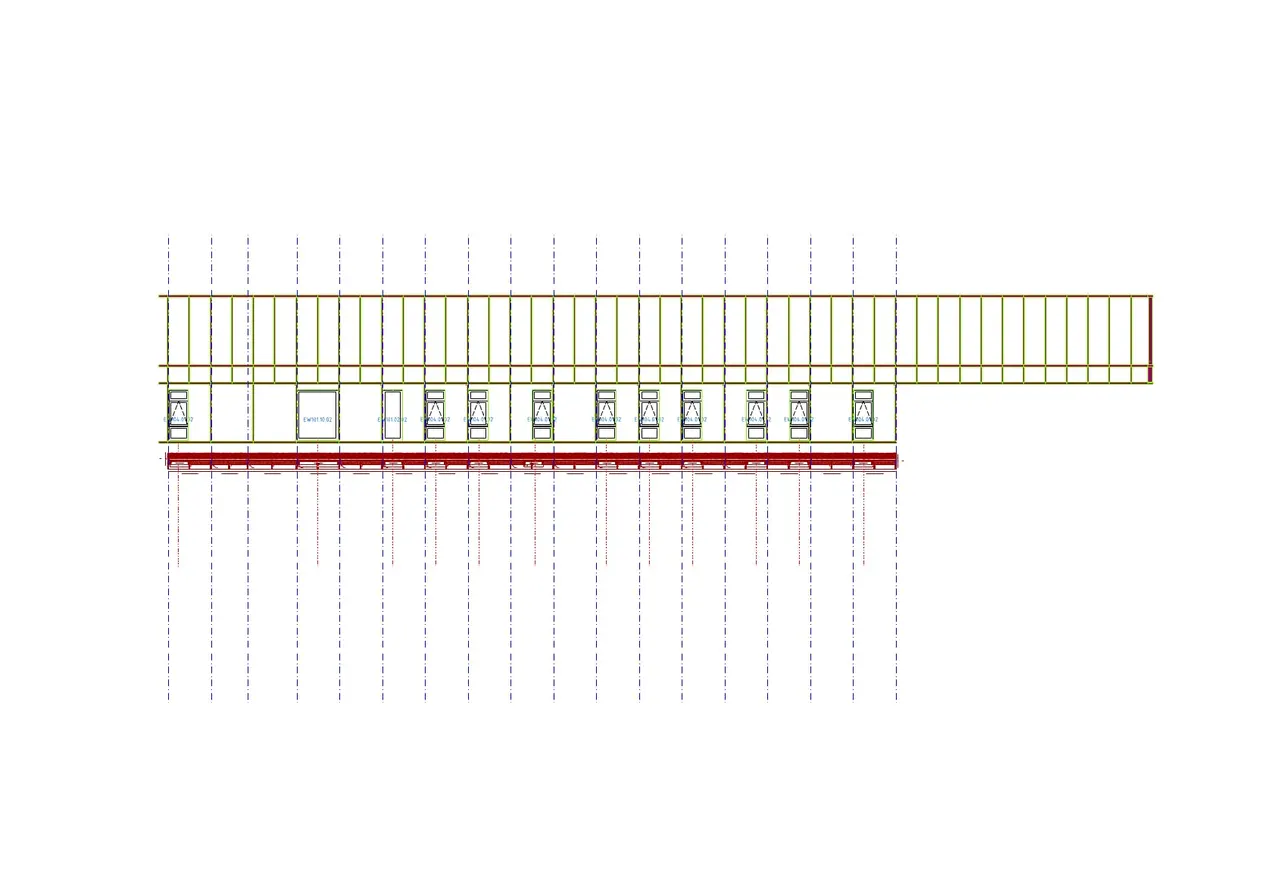
Algorithmic facade detailing, Velindre Cancer Centre
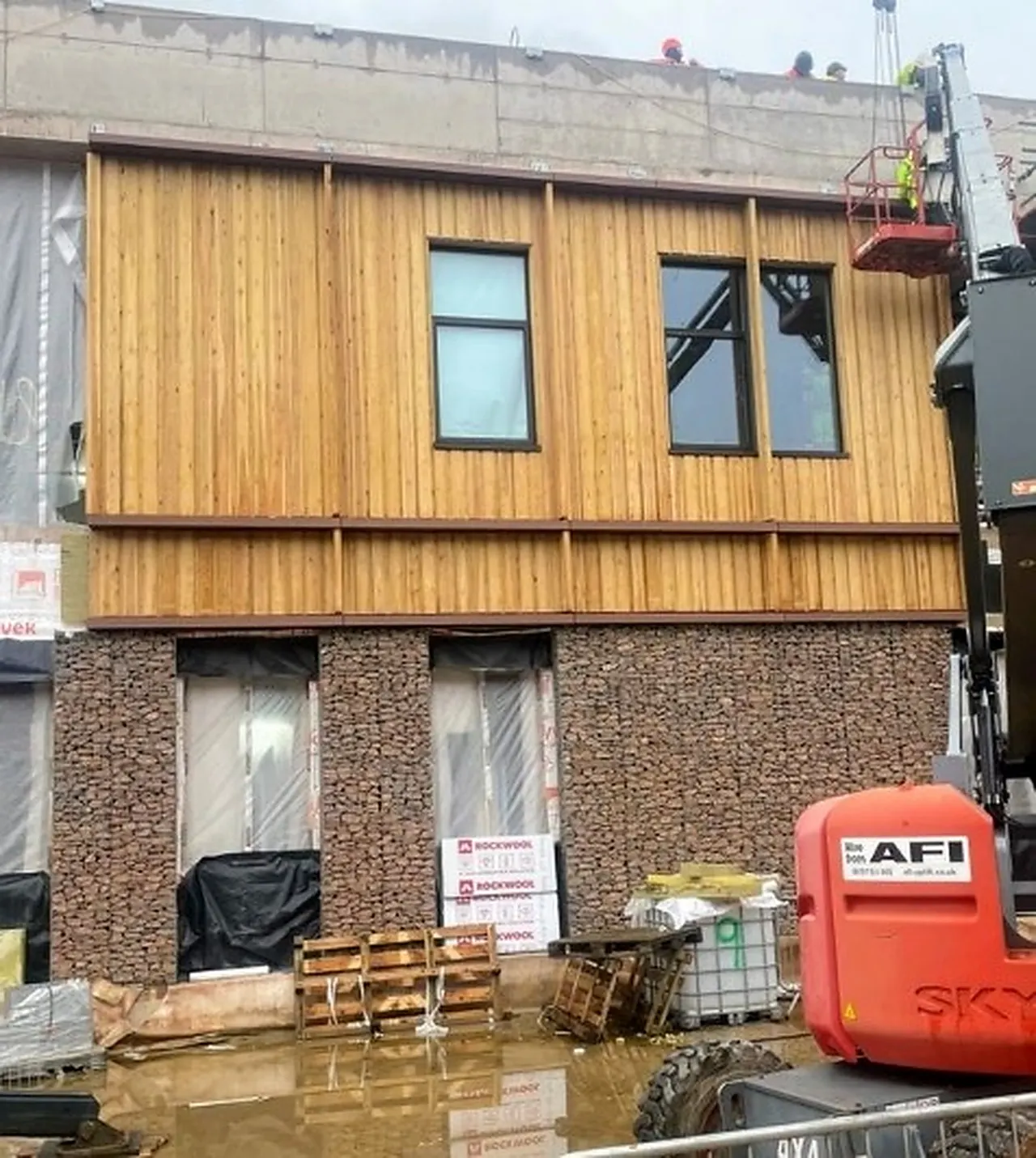
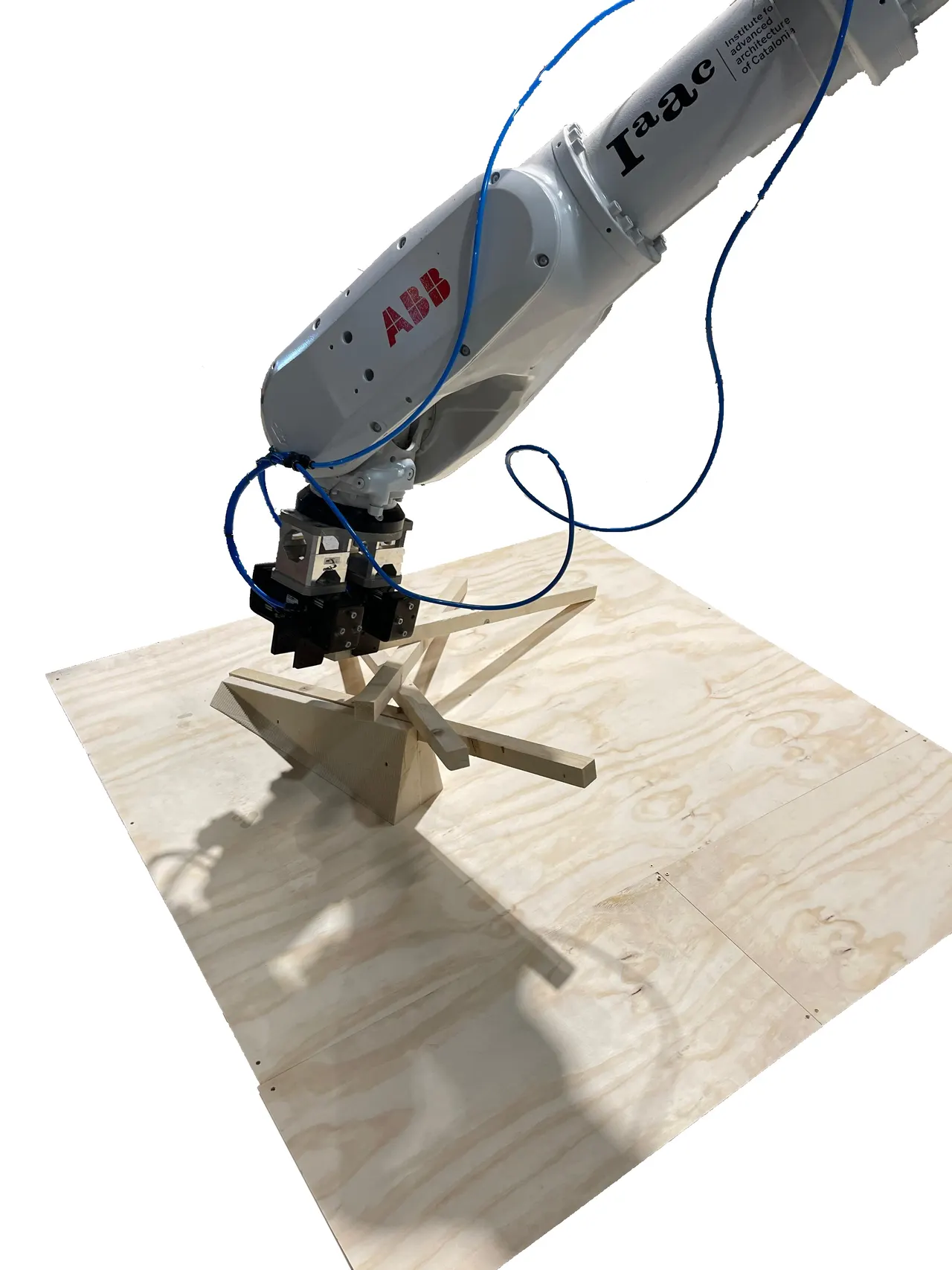
A pipeline that read the architects' AutoCAD drawings with Python, rebuilt the facade as modular elements in Grasshopper and generated the stage 4 to 5 technical details algorithmically, so a design change regenerated the details instead of sending them back to the drawing board. The coordinated model passed through the Revit API into IFC for the contractor, and on to machine instructions for robotic assembly.
A module installed on site
Institute for Advanced Architecture of Catalonia, 2025
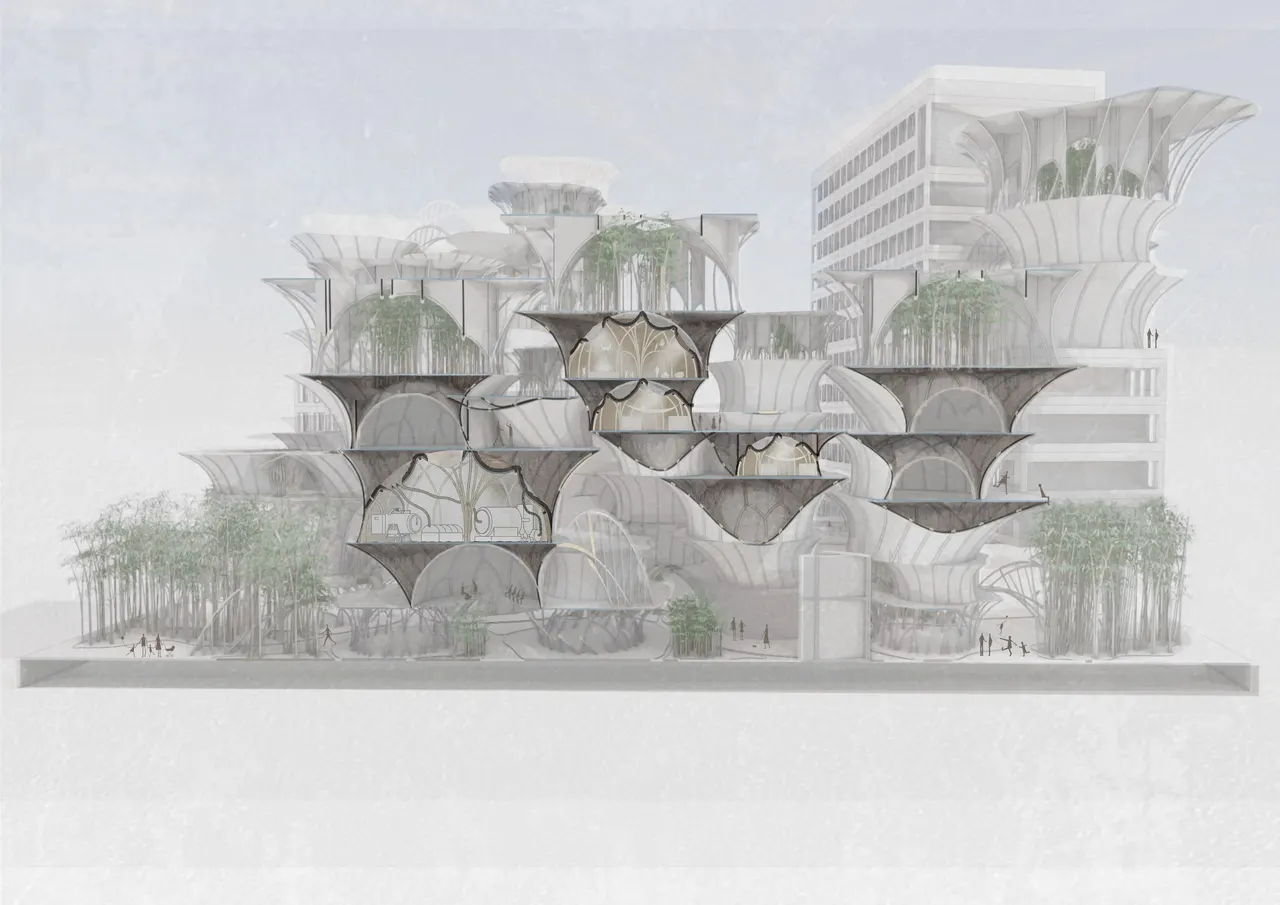
Anemonic Veranda
A veranda for the restaurant terraces of Plaça Reial in Barcelona. Kangaroo relaxes a planar mesh into catenary curves for structural efficiency, machine learning clusters the canopy into buildable planar sections, and a custom script places the boxes of coloured infill by their internal shape and stability.
In development
QS Intelligence
A Grasshopper plugin that reads a model element by element, assigns real materials and products to each part, and returns quantities and costs as the design moves. It is the engine behind our quantity surveying service.
Doctoral research, ongoing
Form finding for funicular vaults
A native Grasshopper plugin with a Python engine for thrust network analysis and force density form finding, extended to stage the raising of a reconfigurable mould.